Maxwell Aliang'ana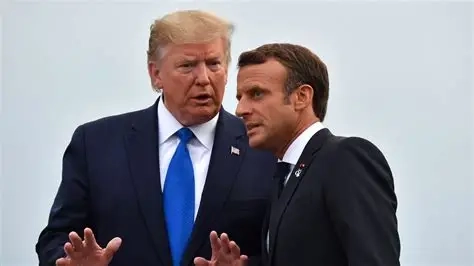
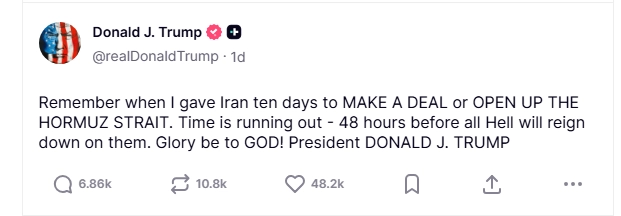
Tensions in the Middle East just hit a new high. Imagine a live feed from Al Jazeera capturing the chaos: U.S. strikes on Iranian targets, whispers of a full-blown war, and former President Donald Trump blasting NATO for not stepping up. This isn’t some old news clip. It’s March 28, 2026, and the world watches as old alliances crack under pressure. Trump’s sharp words call out NATO’s “lack of support” in this push against Tehran. What does this mean for global security? It could reshape how the West handles threats from Iran.
Deconstructing Trump’s Core Accusations Against NATO
Trump’s voice cuts through the noise again. He points fingers at NATO, saying they drag their feet on Iran. But why now? Let’s break it down.
NATO’s Historical Mandate Versus Modern Conflicts
NATO started with a clear goal. Article 5 promises that an attack on one member is an attack on all. It focused on keeping Europe safe from Soviet threats back in the day.
Today, fights spill over borders. Iran’s moves in the Gulf, its proxy groups stirring trouble—these pull NATO into wider waters. Trump wants action beyond the old North Atlantic lines. Think of it like a family pact meant for home defense, now facing a storm from across the ocean.
Past ops show NATO can stretch. In the Balkans during the 1990s, they bombed to stop ethnic clashes. That was Europe, sure, but it set a pattern. Then came the fight against ISIS. Some members joined air strikes in Iraq and Syria. These steps hint at flexibility, yet Trump sees gaps when it comes to Iran.
The Specifics of “Lack of Support”
What exactly does Trump mean by lack of support? In this Iran flare-up, it might mean troops on the ground or ships in the Strait of Hormuz. Or maybe cash for ops, or even just strong words at the UN.
Look at the numbers. NATO aims for members to spend 2% of GDP on defense. In 2025, only 11 out of 32 hit that mark. The U.S. foots about 70% of the bill. Trump hammers this point: Europe talks big but pays little.
- U.S. spending: 3.5% of GDP.
- Germany: Barely over 2%.
- France: Steady at 2.1%, but focused on its own backyard.
This gap fuels Trump’s fire. If allies skimp, how can they back a tough stance on Tehran? It weakens the whole team.
The Strategic Implications of US-NATO Divergence on Iran Policy
Divides between the U.S. and NATO aren’t new. But with Iran heating up, they sting more. How does this play out?
Transatlantic Alignment on Countering Iranian Influence
NATO leaders stay cautious on Iran. Secretary General Jens Stoltenberg calls for unity but stresses no new wars. France pushes diplomacy; they deal oil with Tehran. Germany worries about energy cuts if things blow up. The UK, closer to U.S. views, joins sanctions but hesitates on military moves.
Trump’s take? Go hard, alone if needed. He skips the slow talks. This clash shows in policy rifts. Europe fears escalation could spark a bigger fire, like closing oil routes.
Remember 2018? Trump pulled from the Iran nuclear deal. Europe tried to save it with a new pact. That split let Iran dodge some pressure. Now, in 2026, similar cracks could let Tehran slip through.
The Reliability Question: Impact on US Security Pledges
Trump’s barbs make allies question U.S. promises. If a former leader slams NATO so hard, does America really have their back? It shakes trust.
Adversaries notice. North Korea watched U.S.-ally spats before testing missiles. Russia used NATO doubts to grab Crimea. Iran could do the same—test red lines when the West looks split.
You see, reliability isn’t just words. It’s action. When alliances wobble, bad actors push harder. U.S. pledges feel shaky, even if Biden’s team reaffirms them.
Iran’s Perspective and Potential Exploitation of Western Friction
From Tehran’s view, this is gold. They love when the West fights itself. How do they use it?
Tehran’s Narrative: Amplifying Internal Disagreements
Iranian media jumps on Trump’s words. State TV calls it proof of crumbling U.S. power. Officials tweet about NATO’s fear of real war.
This isn’t new. In 2019, after U.S. drone strikes, Iran highlighted European pleas for calm. It painted the U.S. as the lone bully. Now, with Trump’s NATO slam, they amp up the divide. “See? Your allies won’t follow,” they say.
Past wins show the play. During the 1980s tanker war, U.S.-Europe splits let Iran mine the Gulf freely. Tehran exploits these rifts to buy time, build missiles, fund proxies.
Operationalizing Weakness: Deterrence Theory in Practice
Weak links invite bold moves. If NATO seems out of sync, Iran might ramp up attacks on U.S. bases or block shipping lanes.
Defense experts say cohesion is key. Without it, deterrence fails. It’s like a chain— one weak spot, and the whole thing breaks.
What could Tehran do? Launch more drones at Saudi oil fields. Or cozy up to Russia for arms. Analysts warn: fragmented responses embolden them. Unity scares off escalation.
Historical Precedents: Past Criticisms and Their Aftermath
Trump’s not shy about alliances. His past jabs echo now. What happened before?
The “Drain the Swamp” Rhetoric Applied to Alliances
Back in 2018, Trump called NATO “obsolete” at summits. He pushed burden-sharing hard. “Pay up or we walk,” he said.
Europe reacted. Poland boosted spending to 2.5% by 2020. The UK pledged more troops. But not all shifted fast. Germany dragged until Russia’s Ukraine grab in 2022 forced change.
These critiques lit a fire. Spending rose overall— from 1.4% average in 2014 to near 2% now. Trump’s noise worked, but at a cost: strained ties.
Case Study: NATO’s Response to Non-Article 5 Contingencies
NATO flexed outside Europe before. Afghanistan after 9/11? All members joined, but participation varied. U.S. led; others sent smaller forces.
Libya in 2011 was messier. No ground troops from most. France and UK bombed; Germany sat out. It showed limits—coalition of the willing, not full NATO.
These cases prove the point. When threats aren’t “Article 5,” buy-in drops. Iran fits that mold: Middle East focus, not direct Europe hit. Trump’s push tests if lessons stuck.
Navigating the Future: Recommendations for Alliance Cohesion
All this friction calls for fixes. How can the West glue back together?
Actionable Steps for Reaffirming Diplomatic Unity
European leaders should speak out fast. Joint statements with the U.S. on Iran goals. Public events showing solidarity.
Private talks matter too. Back-channel meets to align on sanctions. Ignore Trump’s barbs; focus on shared wins like curbing Iran’s nukes.
Communication tips: Use social media to highlight joint exercises. Remind folks of past successes, like containing ISIS together. This counters divide-and-rule games.
Reassessing Burden-Sharing Beyond Financial Metrics
Money’s not everything. Support means intel swaps too. Cyber defenses against Iranian hacks. Energy plans to dodge Tehran’s oil threats.
Policymakers, keep gear compatible. Train together often. Even if politics clash on Iran, tech links hold strong.
- Share satellite data on proxy moves.
- Joint cyber drills.
- Stockpile fuel reserves.
These steps build real ties. They make the alliance tougher than any one spat.
Conclusion: The Imperative of Coherent Western Strategy
Tensions with Iran expose deep cracks. Trump’s criticism of NATO spotlights old fights over support and roles. Yet, history shows unity wins.
The big lesson? Strength comes from sticking together. Individual power fades if alliances fray. Against Tehran, a solid front deters chaos.
What now? Leaders must act. Push for fair shares, clear talks, and bold steps. You can follow this story—stay informed on global shifts. Share your thoughts: How should NATO adapt? Let’s keep the pressure on for peace.
Discover more from Kenya News Updates
Subscribe to get the latest posts sent to your email.

 Mildred Khavwani