Maxwell Aliang'ana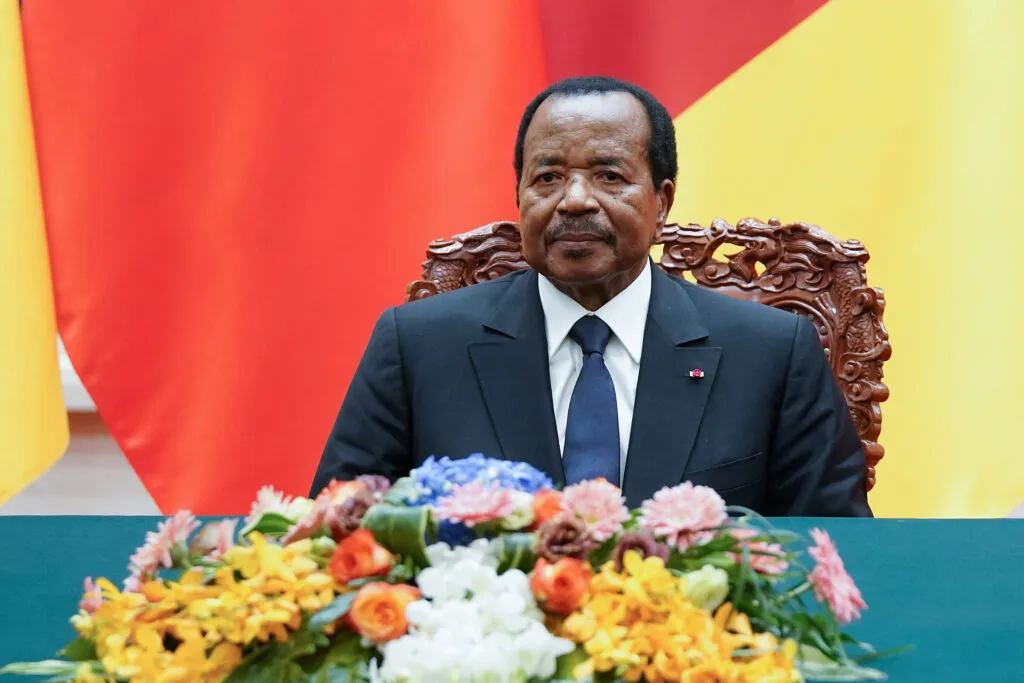
Cameroon Vice President Role returns
The Cameroon Vice President Role has returned after parliament approved a major constitutional amendment. This decision marks a significant shift in how the country will manage leadership transitions.
While government leaders support the move, several opposition figures have raised concerns about its impact on democracy and power balance.
Cameroon Vice President Role approved by parliament
First, lawmakers approved the return of the Vice President Role with a strong majority vote. The ruling party led the process and pushed the amendment through parliament.
Next, the bill moved to President Paul Biya for final approval. He now holds the authority to sign it into law.
Government officials defended the decision. They stated that the reform will strengthen governance and ensure continuity in leadership.
What the Role means
Under the new system, the president will appoint the vice president. In addition, the president can remove the vice president at any time.
More importantly, the vice president will take over if the president cannot continue serving. This includes cases of death, resignation, or incapacity.
However, the acting leader will face clear limits. For example:
- They cannot amend the constitution
- They cannot run in the next election
Because of these restrictions, government leaders say the system prevents abuse of power.
Why the Role matters now
At this time, the return of the Role carries major political importance. President Paul Biya has ruled Cameroon for decades, making succession planning a key issue.
Therefore, many analysts see the amendment as a step toward ensuring stability in case of sudden leadership changes.
In response, senior government figures have emphasized the need for a clear line of succession. They argue that the reform will reduce uncertainty and protect national stability.
Leaders raise concerns over Cameroon Vice President Role
However, several political leaders have openly challenged the return of the Role.
Opposition figure Maurice Kamto has previously called for stronger democratic processes in leadership selection. He has argued that key national positions should reflect the will of voters rather than presidential appointment.
Similarly, Joshua Osih has supported reforms that increase electoral transparency. Leaders like him have emphasized the need for inclusive governance structures.
Because of this, some opposition voices believe the new vice president role should be filled through elections instead of appointment.
In addition, legal experts aligned with opposition groups have warned that allowing the president full control over the role could centralize power further.
Historical context of Cameroon Vice President Role
Previously, Cameroon had a vice president position. However, the government removed it during earlier constitutional reforms.
Since then, the country has relied on other executive roles, such as the prime minister.
Now, by restoring the, lawmakers are bringing back a structure that once existed. At the same time, they have introduced new rules to define its limits.
Political impact of Cameroon Vice President Role
Looking ahead, the return of the Role may shape the country’s political future.
Supporters believe it will:
- Ensure smooth leadership transitions
- Reduce uncertainty
- Strengthen government stability
Meanwhile, opposition leaders continue to push for reforms that increase public participation in leadership selection.
As a result, the debate now focuses on one key issue—how to balance stability with democratic accountability.
Conclusion: Cameroon Vice President Role sparks national debate
In conclusion, the return of the Role marks a major political development. Government leaders support it as a tool for stability. However, opposition figures like Maurice Kamto and Joshua Osih continue to push for more inclusive reforms.
As the country moves forward, the real impact of this change will become clearer. For now, the amendment has triggered a strong national debate about leadership, succession, and democracy.
Read more news: https://www.kenyanewsupdates.co.ke/2026/04/05/why-do-kenyan-students-in-germany-face-deportation-over-unpaid-daad-funds-clone/
Explore job opportunities: https://www.facebook.com/share/p/1B7LbFMb9b/
Discover more from Kenya News Updates
Subscribe to get the latest posts sent to your email.


 Mildred Khavwani