Mildred Khavwani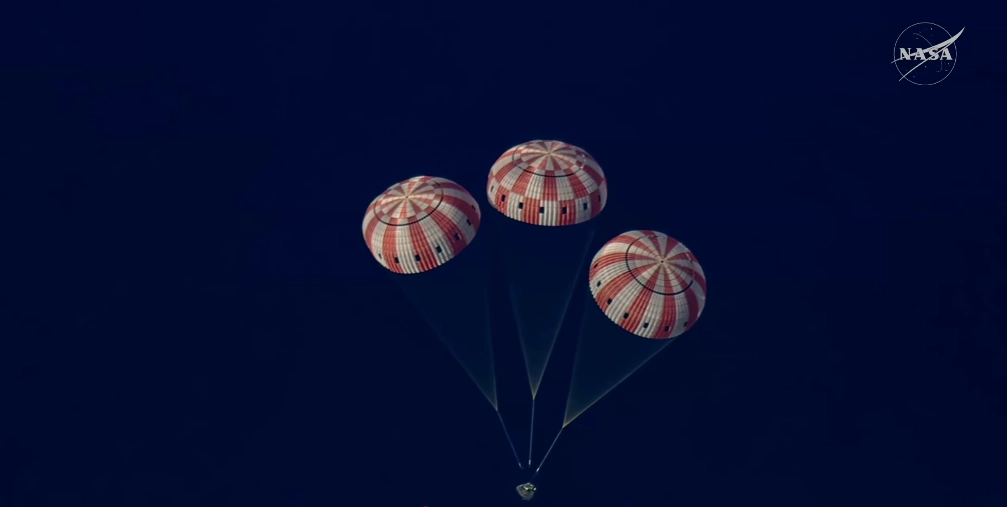
Last Updated on April 11, 2026 9:32 pm by Mildred Khavwani
Featured image source: Nasa
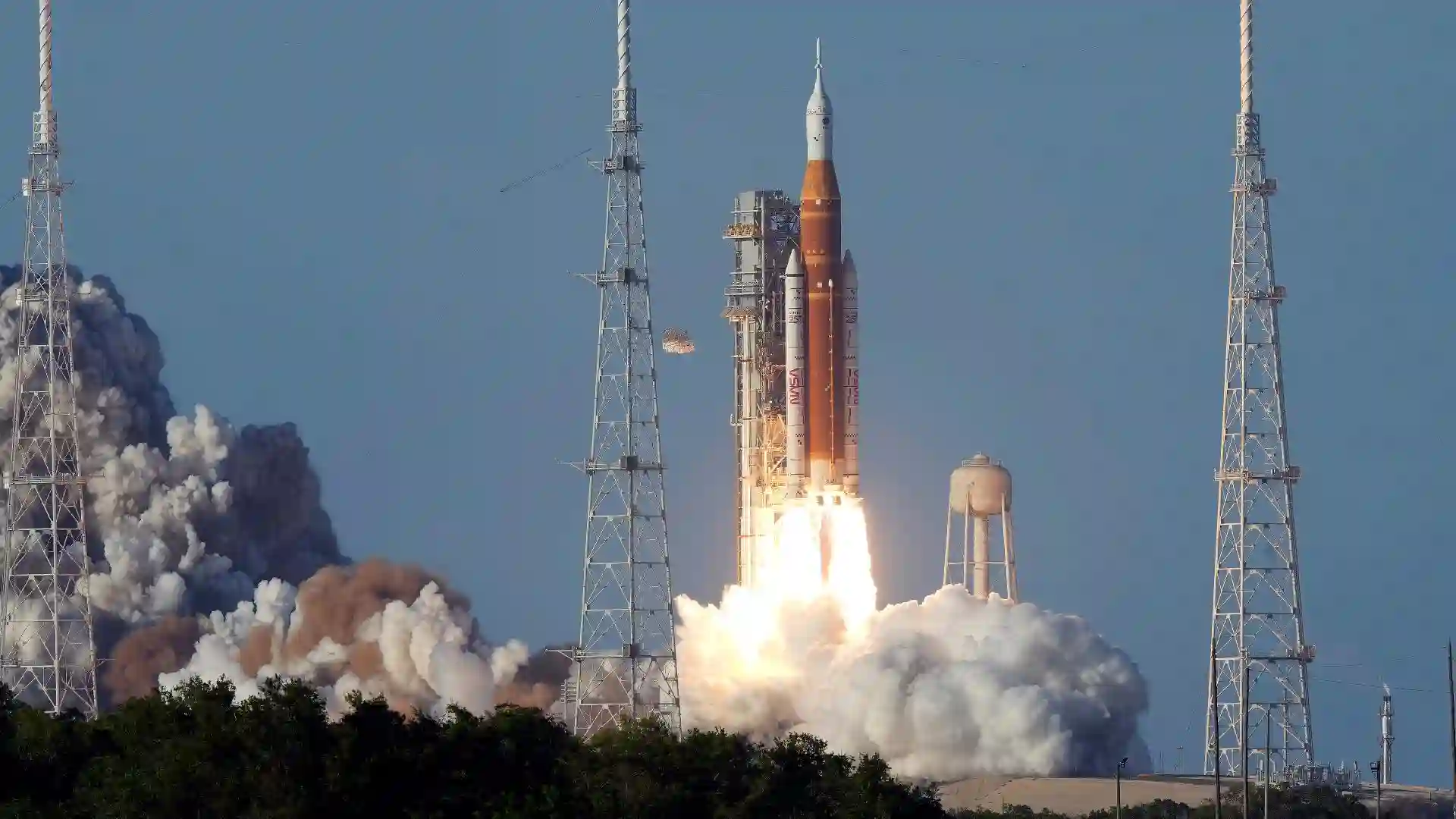
More than half a century after humans last ventured toward the Moon, the Artemis II moon mission has brought that dream roaring back to life. In a journey watched across the globe, four astronauts traveled around the Moon and safely returned to Earth—marking a defining moment for modern space exploration.
“This is a day that reminds us of the power of exploration,” said Bill Nelson, head of NASA. “We are back.”
The mission signals not just a return, but the beginning of a new era—one that aims to take humans farther than ever before.
A Historic Journey Beyond the Moon
The Artemis II moon mission is the first crewed lunar mission since Apollo 17 in 1972. Unlike the Apollo era, however, this mission is about building a long-term future in space .https://www.bbc.com/news/articles/cr51z54d5rpo
The Orion spacecraft carried astronauts on a sweeping arc around the Moon, reaching distances no human crew has ever traveled. From orbit, the crew witnessed the Moon’s far side—an area never visible from Earth.
“It’s hard to put into words,” said Reid Wiseman, the mission commander. “You look out the window and realise how small Earth is—and how big everything else is.”
Breaking Barriers in Space
The Artemis II crew represents a historic shift in who gets to explore space. Christina Koch became the first woman to travel beyond low Earth orbit, while Victor Glover became the first Black astronaut to take part in a lunar mission.
“This mission shows that space is for everyone,” Glover said during the mission. “We carry a lot of people with us when we go.”
Meanwhile, Jeremy Hansen made history as the first non-American to travel around the Moon, highlighting global collaboration through partners like the Canadian Space Agency.
Technology Pushed to Its Limits
The Artemis II moon mission was not just symbolic—it was a crucial test. Engineers needed to know if the Orion spacecraft could safely carry humans into deep space and back.
During re-entry, the capsule hit Earth’s atmosphere at extreme speed, generating intense heat before parachutes deployed for a safe ocean landing.
According to NASA officials, the mission delivered critical data on navigation, communication, and life-support systems—key elements for future lunar landings.
Why This Mission Matters Now
The success of the Artemis II moon mission comes at a time when global interest in space exploration is growing rapidly. Governments and private companies alike are racing to return to the Moon.
“This is about more than flags and footprints,” said Bill Nelson. “It’s about building a future where we live and work on the Moon.”
Scientists say the data collected will help unlock new knowledge about the Moon’s surface and environment. It will also support long-term plans to establish a human presence there.
What Comes Next
With Artemis II complete, attention now turns to Artemis III—the mission expected to land astronauts on the Moon.
NASA plans for that mission to include the first woman and the first person of color to step onto the lunar surface. The agency also aims to build sustainable systems, including habitats and research stations.
“We are laying the foundation,” Wiseman said, “for the next generation to go even further.”
A Turning Point for Humanity
The Artemis II moon mission marks a powerful shift in human exploration. It proves that deep space travel is no longer just part of history—it is once again part of our future.
From record-breaking distances to historic firsts, the mission has reignited a sense of possibility across the world.
As one NASA official put it simply: “The journey has just begun.”
Read more news: 10 Best Historical Sites in Kenya You Should Visit in 2026
Discover more from Kenya News Updates
Subscribe to get the latest posts sent to your email.


 Maxwell Aliang'ana