Mildred Khavwani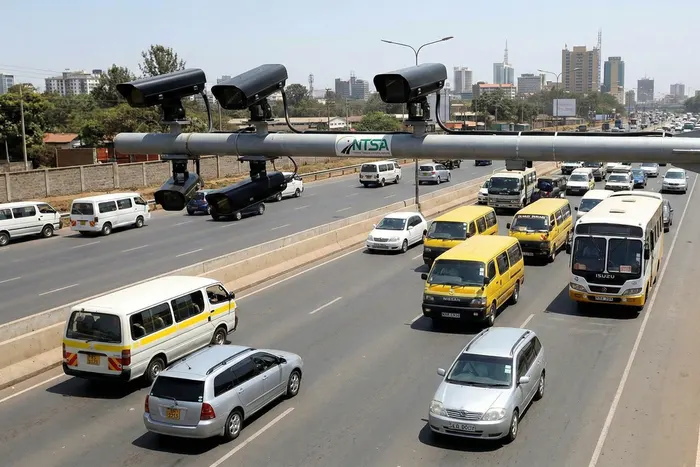
Last Updated on April 22, 2026 12:12 am by Mildred Khavwani
Featured image source: Pulse Kenya
Operation Watoto Wafike Salama has taken center stage as the National Transport and Safety Authority (NTSA) rolls out a new safety checklist aimed at protecting school children across Kenya. The initiative targets school administrators and transport providers, urging them to adopt stricter safety measures when transporting learners.
The campaign comes at a time when road safety concerns involving school vehicles continue to rise. NTSA now wants institutions to take direct responsibility for ensuring children travel safely to and from school.
What Is Operation Watoto Wafike Salama?
Operation Watoto Wafike Salama is a national safety campaign focused on reducing risks associated with school transport. The initiative emphasizes accountability among school administrators, drivers, and vehicle owners.
Through this program, NTSA provides clear guidelines that schools must follow. The goal is simple: ensure every child reaches school safely without exposure to preventable road accidents.

Key Safety Guidelines for Schools
Under Operation Watoto Wafike Salama, NTSA has outlined a checklist that schools must follow:
- Use roadworthy vehicles to transport children
- Hire qualified and licensed drivers
- Equip buses with functional safety belts
- Supervise and monitor driver conduct
- Ensure speed limiters are installed and working
- Confirm drivers and conductors are sober
- Use designated and approved routes for school transport
These guidelines place responsibility directly on schools and transport operators.
Focus on Vehicle Safety
Vehicle condition remains a major concern in school transport. NTSA insists that all vehicles used under Operation Watoto Wafike Salama must meet roadworthiness standards.
This includes regular inspection, proper maintenance, and compliance with safety regulations. Faulty vehicles increase the risk of accidents, especially when carrying children.
By enforcing strict vehicle standards, NTSA aims to reduce mechanical failures on the road.
Driver Responsibility Under Scrutiny
Drivers play a critical role in ensuring student safety. Under the Salama, schools must hire only qualified and experienced drivers.
NTSA also stresses the importance of monitoring driver behavior. Reckless driving, speeding, and fatigue remain leading causes of accidents.
The authority has issued a strong warning against drunk driving. Schools must ensure that both drivers and conductors are sober at all times.
Importance of Speed Limiters and Safety Belts
Speed control is another key focus area. NTSA requires all school vehicles to have functional speed limiters.
These devices help prevent overspeeding, which often leads to severe accidents.
In addition, the Operation emphasizes the use of safety belts. Properly installed and functional seat belts can significantly reduce injuries in case of an accident.
Route Compliance and Monitoring
NTSA also wants schools to stick to approved transport routes. Deviating from designated routes can expose students to unnecessary risks.
Administrators must actively supervise transport operations. Monitoring ensures that drivers follow rules and maintain discipline on the road.
This level of oversight is essential in preventing incidents before they occur.
Why This Campaign Matters
The launch of Operation Watoto Wafike Salama highlights growing concerns over school transport safety in Kenya.
Road accidents involving school children often lead to serious injuries or fatalities. Many of these incidents result from preventable factors such as poor vehicle maintenance or reckless driving.
By introducing a structured checklist, NTSA aims to address these issues at the source.
Call to Action for Schools and Parents
NTSA is urging schools to fully comply with the new guidelines. Administrators must take proactive steps to ensure all safety measures are in place.
Parents also play a role. They should verify that schools follow proper transport safety standards.
The message from NTSA is clear:
Children deserve safe journeys every day.
Conclusion
Operation Watoto Wafike Salama represents a critical step toward improving school transport safety in Kenya. By enforcing strict guidelines on vehicles, drivers, and operations, NTSA aims to reduce accidents and protect young lives.
The success of the initiative depends on cooperation from schools, drivers, and parents. With proper implementation, the campaign could significantly improve road safety for children nationwide.
Vihiga Senator Assault: 14 Suspects Flee Kenya After Attack
Discover more from Kenya News Updates
Subscribe to get the latest posts sent to your email.



 Maxwell Aliang'ana