Maxwell Aliang'ana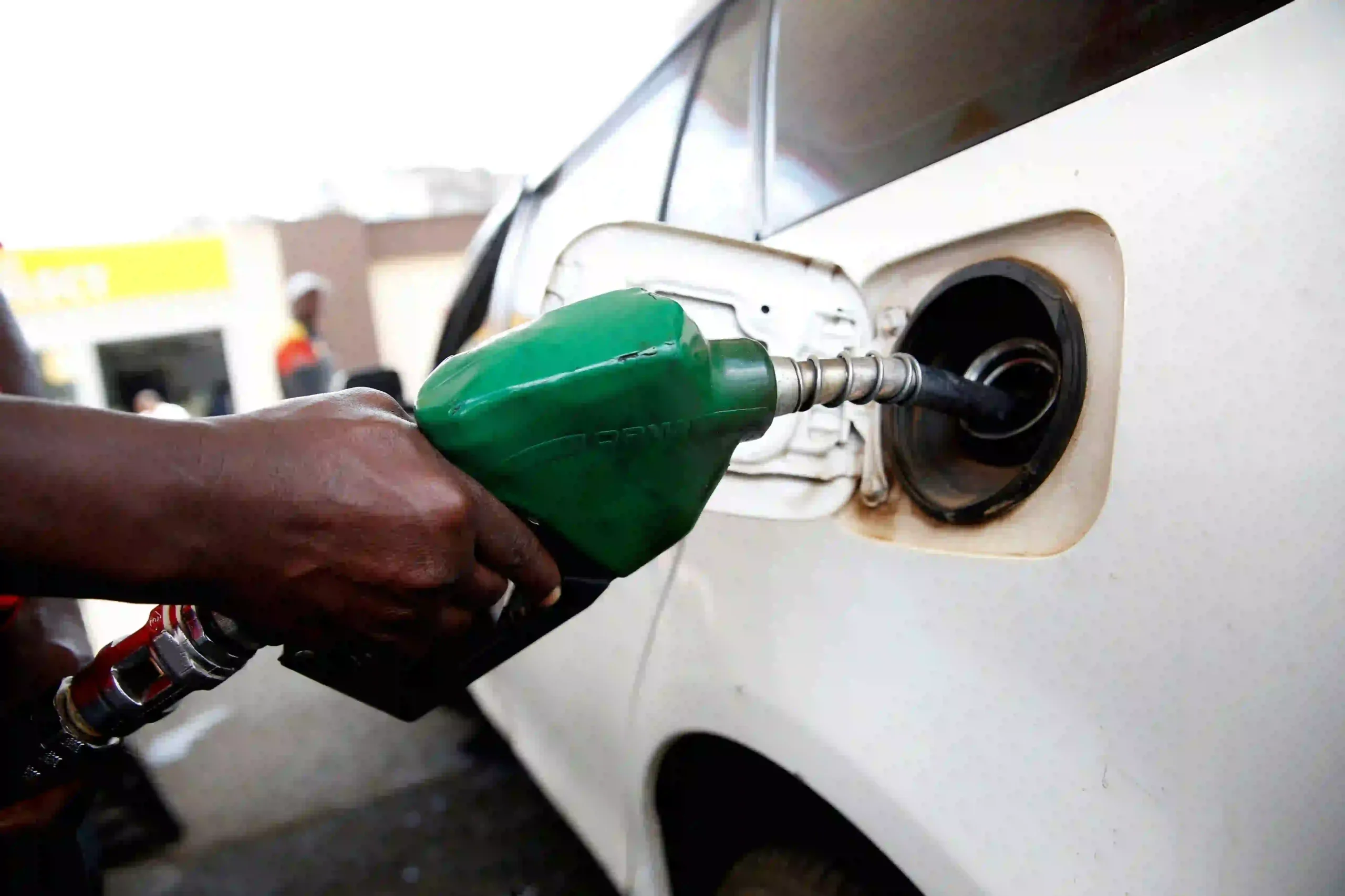
Last Updated on April 14, 2026 10:22 pm by Maxwell Aliang’ana
Featured images source: theafricareport
Kenyans are once again on edge as the country awaits the latest fuel price review by the Energy and Petroleum Regulatory Authority (EPRA). With the announcement expected at any moment, households, businesses, and transport operators are bracing for possible increases that could further strain an already fragile economy.
According to a recent report by The Standard, the anticipation surrounding the new fuel prices has created widespread anxiety across the country.
Current Fuel Prices and Economic Pressure
As of the March–April 2026 pricing cycle, fuel prices have remained relatively stable. Super petrol is retailing at approximately Ksh178.28 per litre, diesel at Ksh166.54, and kerosene at Ksh152.78 in Nairobi.
However, this stability may soon come to an end. Reports suggest that EPRA could adjust prices upward by at least Ksh5 per litre, a move that has sparked concern among motorists and businesses alike.
For many Kenyans, even a small increase in fuel prices has a ripple effect across the economy. Transport costs rise, food prices go up, and businesses are forced to pass on operational costs to consumers. This cycle continues to intensify the cost-of-living crisis.
The Fuel Price Anxiety Explained
Fuel Prices in Kenya: The anxiety surrounding fuel prices is not just about the numbers at the pump. It reflects deeper concerns about Kenya’s energy sector and economic stability.
Motorists and consumer groups have warned that any increase in fuel prices would worsen the already high cost of living. Many households are still recovering from previous economic shocks, including inflation and the removal of fuel subsidies.
“Any increase will only worsen the situation,” stakeholders have cautioned, emphasizing the need for policies that protect consumers rather than expose them to market volatility.
The timing of the review is also critical. With businesses still grappling with rising costs and consumers tightening their spending, a fuel hike could significantly slow down economic activity.
The Role of Global Oil Prices
Fuel Prices in Kenya: Fuel pricing in Kenya is heavily influenced by global oil market trends. Recent geopolitical tensions, particularly in the Middle East, have led to fluctuations in global oil prices.
As a country that relies entirely on imported refined petroleum, Kenya is particularly vulnerable to such global shocks. Any increase in international oil prices directly affects the landed cost of fuel, which in turn impacts local pump prices.
Experts warn that continued volatility in global markets could make it difficult for Kenya to maintain stable fuel prices in the long term.
Local Challenges: Scandals and Supply Concerns
Beyond global factors, Kenya’s fuel sector is currently facing internal challenges that have further fueled public anxiety.
Investigations into a multi-billion-shilling fuel importation scandal have raised serious questions about transparency and governance within the energy sector. Reports indicate that a significant consignment of fuel was imported outside the approved government-to-government framework, raising concerns about quality and regulatory oversight.
Additionally, recent resignations of key officials in the petroleum sector have created uncertainty about leadership and accountability. These developments have eroded public confidence at a time when stability is most needed.
There are also concerns about possible fuel shortages, with authorities investigating whether supply issues are genuine or the result of hoarding by market players.
Impact on Households and Businesses
The potential increase in fuel prices is expected to have far-reaching consequences across various sectors of the economy.
For households, higher fuel prices translate to increased transport costs, which affect daily commuting and the price of essential goods. Food prices, in particular, are likely to rise due to higher transportation costs in the supply chain.
For businesses, especially small and medium enterprises, increased fuel costs can significantly reduce profit margins. Many businesses may be forced to increase prices or cut costs, including reducing staff or scaling down operations.
The transport sector, which heavily depends on fuel, is among the most vulnerable. Public transport fares are likely to increase, further burdening commuters.
Calls for Government Intervention
In light of the situation, there have been growing calls for government intervention to cushion Kenyans from the impact of rising fuel prices.
Some stakeholders have urged the government to consider reintroducing fuel subsidies, which were previously used to stabilize prices. Others have called for greater transparency in fuel procurement and pricing mechanisms to ensure fairness and accountability.
The government, however, faces a delicate balancing act. While subsidies can provide short-term relief, they also place a significant burden on public finances.
What Lies Ahead
As Kenyans await the official announcement from EPRA, uncertainty remains the dominant sentiment. The outcome of the fuel price review will not only determine the cost of fuel for the next month but also signal the broader direction of the country’s economic trajectory.
Whether prices increase, decrease, or remain unchanged, one thing is clear: fuel prices will continue to play a critical role in shaping Kenya’s economic landscape.
For now, households and businesses can only wait and hope for a decision that eases the burden rather than adding to it.
Explore more news: The 2028 Chevy Camaro Is Coming Back: What We Know So Far
Discover more from Kenya News Updates
Subscribe to get the latest posts sent to your email.