Maxwell Aliang'ana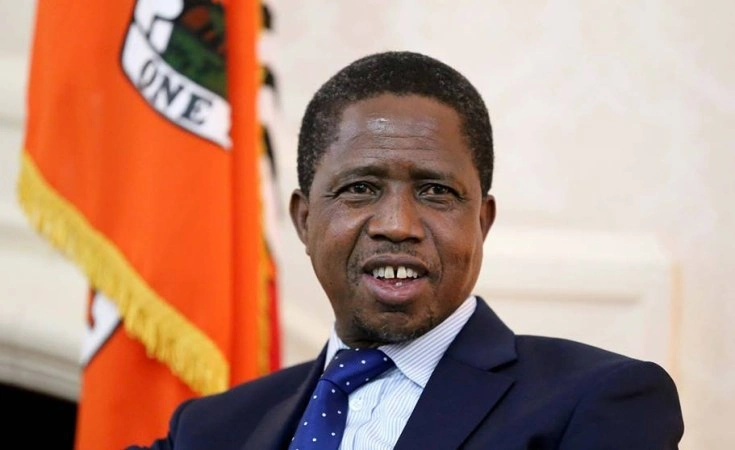
Last Updated on April 24, 2026 12:16 am by Maxwell Aliang’ana
Featured image source: allafrica
The Edgar Lungu burial dispute has turned into a tense legal and political battle between the Zambian government and the late president’s family. What should have been a moment of national mourning has instead exposed deep divisions over authority, legacy, and personal wishes.
Why the Edgar Lungu burial dispute began
The conflict started when the government insisted on giving former president Edgar Lungu a full state funeral in Zambia. Officials argue that every former head of state deserves national honors. They see the ceremony as a way to unite citizens and respect the presidency.
However, Lungu’s family disagrees. They claim he preferred a private burial. For them, honoring his personal wishes matters more than public ceremony. This disagreement sits at the core of the Edgar Lungu burial dispute.
Legal battles across borders
The burial dispute has moved into the courts, especially in South Africa, where his body was held. Judges have issued conflicting rulings. One allowed the Zambian government to repatriate the body. Another challenged how that decision was carried out.
This legal back-and-forth has delayed the burial. It also raises concerns about how international law handles sensitive cases like this. The dispute now involves both legal systems and diplomatic coordination.

Political tensions behind the dispute
Politics plays a major role in the Edgar Lungu burial dispute. Lungu had a long-standing rivalry with current president Hakainde Hichilema. That rivalry continues to shape public perception of the situation.
Some critics believe the government’s push for a state funeral carries political motives. They argue it may aim to control Lungu’s legacy. Others defend the government, saying honoring a former leader should rise above politics.
Who decides a leader’s final rites?
The Edgar Lungu burial dispute raises a difficult question: who has the final say—the family or the state? Former presidents hold a unique position. They belong to both their families and the nation.
In many countries, governments organize state funerals for past leaders. However, families often expect to influence personal decisions. When these interests clash, disputes like this can arise.
Impact on national unity
The prolonged Edgar Lungu burial dispute has drawn criticism from the public. Many people feel the delay disrespects the dignity of the late president. Others see it as a sign of deeper political divisions in Zambia.
Instead of uniting the country, the situation has sparked debate. It shows how unresolved tensions can extend beyond a leader’s lifetime.
The broader implications
This case goes beyond one individual. The Edgar Lungu burial dispute could set a precedent for future leaders. Courts may need to clarify how to balance state authority with family rights.
It also shows the challenges of cross-border legal issues. When multiple jurisdictions are involved, resolution becomes slower and more complex.
Conclusion: Finding a resolution
The Edgar Lungu burial dispute reflects deeper issues in Zambia’s political and legal systems. A solution will require compromise from both sides. Respect for personal wishes must be weighed against national expectations.
Ultimately, the goal should be dignity. Resolving the dispute in a fair and respectful way will help the country move forward.
Binance Accounts Frozen in Kenya Amid DCI Investigation
Discover more from Kenya News Updates
Subscribe to get the latest posts sent to your email.

 Mildred Khavwani