Maxwell Aliang'ana
Last Updated on April 15, 2026 7:02 pm by Maxwell Aliang’ana
The matatu fares increase in Kenya has been officially confirmed by Albert Karakacha, chairman of the Matatu Owners Association, who announced a 25% fare hike nationwide following the recent fuel price adjustment.
Speaking after consultations with operators across the country, Karakacha explained that the increase was necessary to offset rising operational costs caused by higher fuel prices.
“We’ve consulted widely with our members countrywide and we’ve agreed that we are going to increase the fare by 25%,” he said.
He noted that the sharp rise in diesel prices—by about Ksh40 per litre—has significantly reduced daily earnings for matatu operators.
“For example, a vehicle that gives you around Ksh8,000 per day, the increase of Ksh40 is going to take almost Ksh2,000 to Ksh2,400 per vehicle per day. So you see our income is going to go down,” Karakacha explained.
Fares Rise by Up to 25%
Commuters in Nairobi and other parts of the country are now paying significantly more for daily transport after matatu operators announced a 25% fare increase.
This means passengers are paying up to Ksh50 more per trip, depending on the route and distance. The increase took effect almost immediately, catching many commuters off guard.
Transport operators say the decision was unavoidable due to the sharp rise in fuel costs, particularly diesel, which powers most public service vehicles.

Why Matatu Fares Are Increasing in Kenya
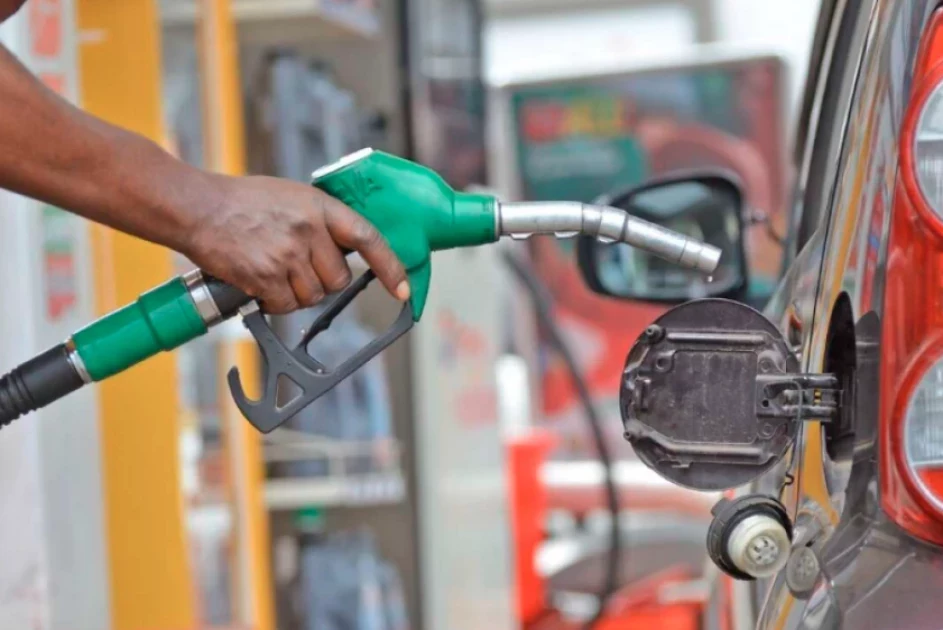
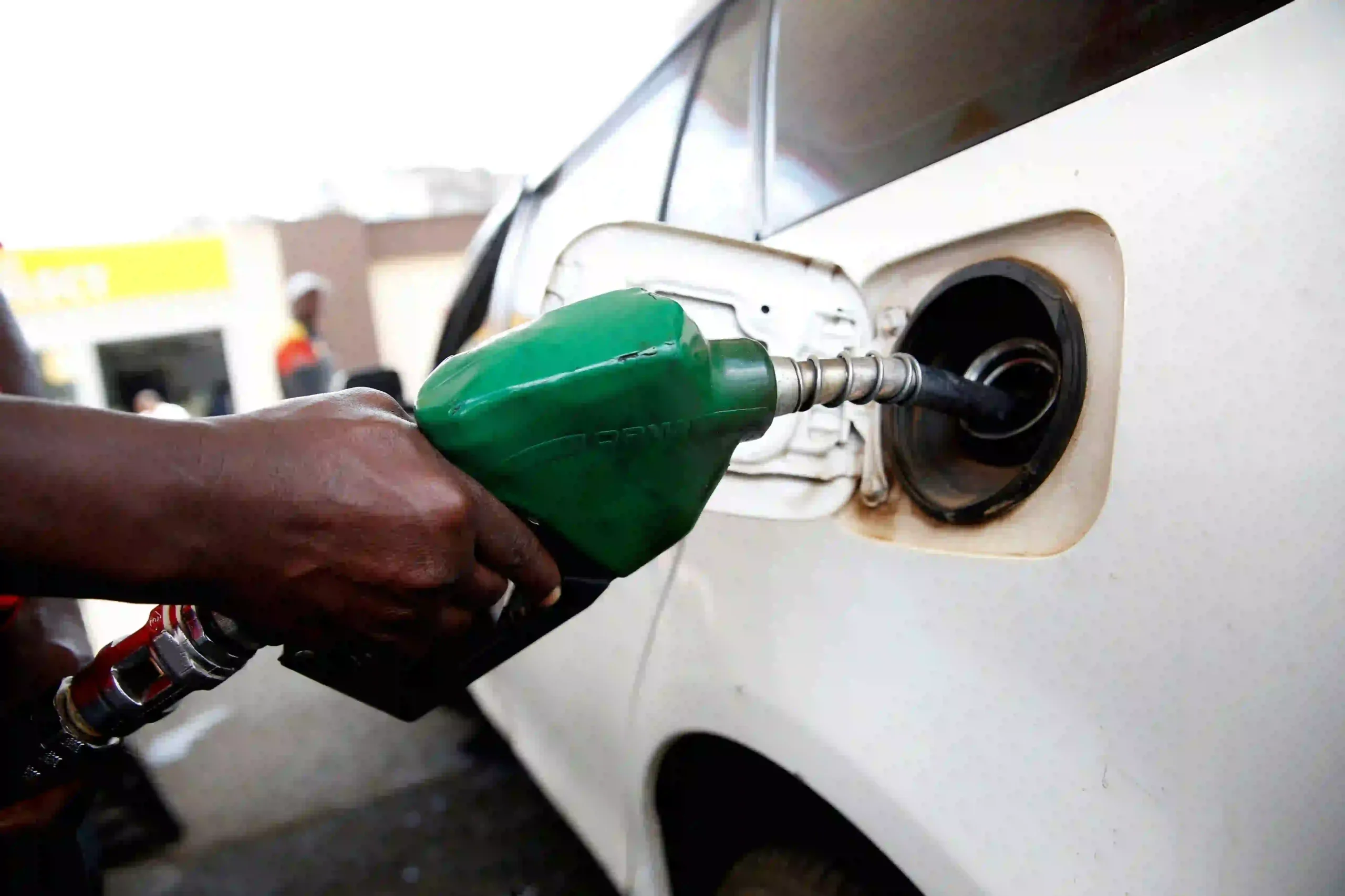
The matatu fares increase in Kenya is directly linked to the recent surge in fuel prices. EPRA raised:
- Petrol by Ksh28.69 per litre
- Diesel by Ksh40.30 per litre
Operators argue that the increase has significantly raised their daily operating expenses, making it difficult to maintain previous fare levels.
One industry representative noted that a Ksh40 increase in diesel could cost a matatu operator thousands of shillings more per day, drastically reducing profit margins.
Breakdown of New Matatu Fares
The fare adjustments are already being felt across major routes:
- Thika Road routes: Ksh100 → about Ksh125 (peak hours)
- CBD to estates (e.g., Kawangware, Kibera): Ksh80 → about Ksh100
- Embakasi, Donholm routes: Ksh100 → Ksh125–130
- Long-distance (e.g., Rongai, Ngong): Ksh150 → nearly Ksh190
- Short routes: Ksh30 → about Ksh40
These changes mean commuters will now spend hundreds more per week on transport.
Impact on Daily Life
The matatu fares increase in Kenya is expected to worsen the already high cost of living. For many urban residents, matatus are the primary mode of transport, accounting for over 70% of commuter trips.
Higher fares will:
- Increase daily commuting expenses
- Reduce disposable income
- Force some commuters to walk longer distances or seek alternatives
Workers, students, and small-scale traders are among the most affected groups.
Transport Operators Defend the Move
Matatu operators insist the fare increase is necessary for survival. They argue that rising fuel prices have significantly cut into their earnings, leaving them with little choice but to pass the cost to passengers.
They are also calling on the government to reintroduce fuel subsidies to stabilize both fuel and transport costs.
Ripple Effect Across the Economy
The impact of the matatu fares increase in Kenya goes beyond transport. Higher commuting costs often lead to:
- Increased prices of goods and services
- Reduced consumer spending
- Slower economic activity
Long-distance travel has also been affected, with bus fares rising significantly on routes such as Nairobi to Mombasa and western Kenya.
Concerns Over Enforcement
Despite the announced 25% increase, some commuters have raised concerns that certain operators may charge even higher fares, especially during peak hours.
This has sparked debate over how the fare increase will be regulated and whether authorities will enforce pricing guidelines to protect consumers.
What Lies Ahead
The future of matatu fares in Kenya remains uncertain. If fuel prices continue to rise, commuters may face even higher transport costs in the coming months.
Transport operators warn that without government intervention, fare hikes could become more frequent, further straining households already dealing with economic pressure.
Watch the video from Matatu Association talking about the matter: https://youtu.be/bn-NNsxP9p4
Discover more from Kenya News Updates
Subscribe to get the latest posts sent to your email.