Maxwell Aliang'ana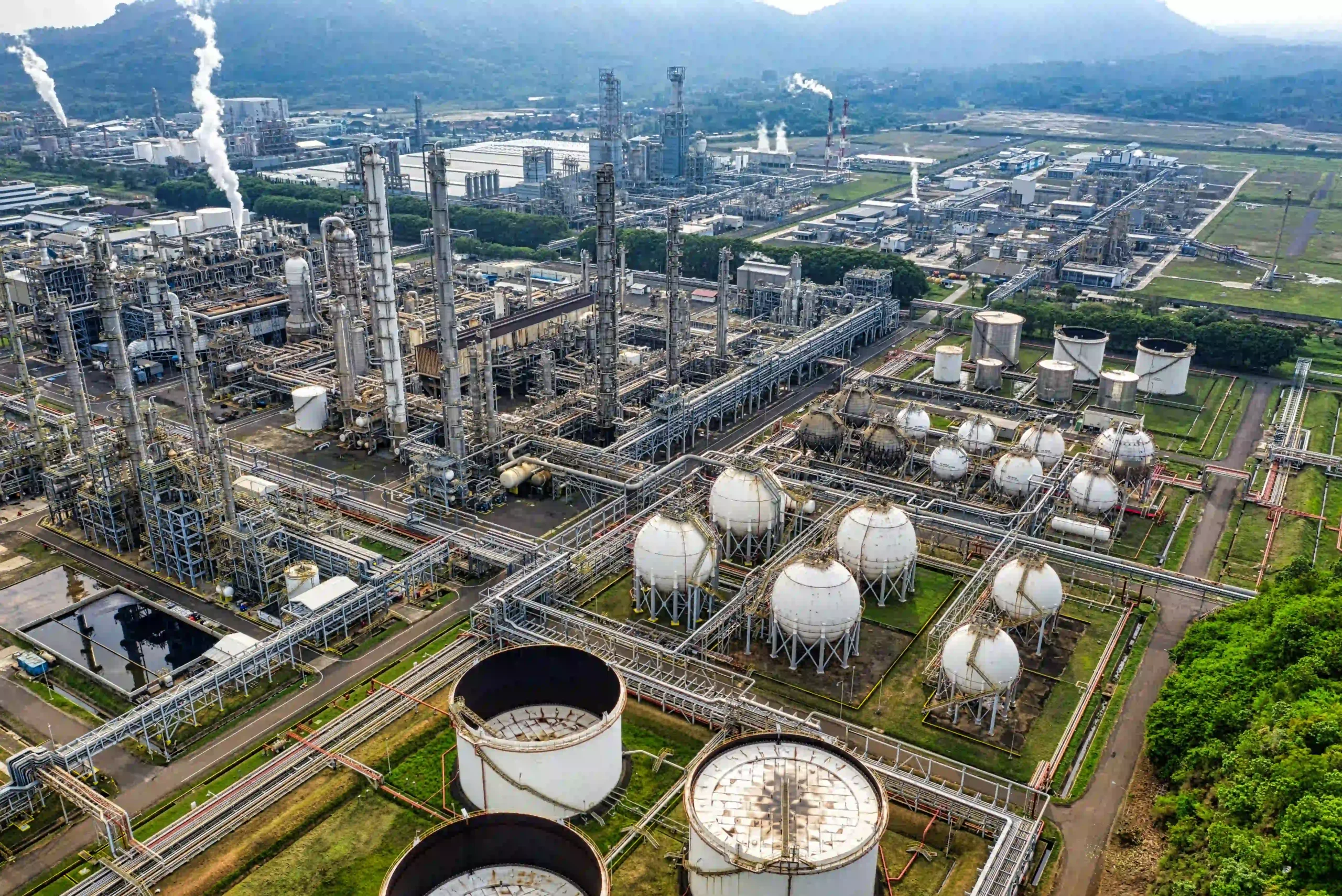
Last Updated on May 12, 2026 3:51 am by Maxwell Aliang’ana
The announcement by billionaire Aliko Dangote that he plans to construct a multi-billion-dollar oil refinery in Kenya has generated positive responses in Kenya. Nigerian billionaire Aliko Dangote’s plans to build a multi-billion-dollar oil refinery in Kenya have garnered positive responses in the country. The first thought on Kenyans’ mind is quite simple; “if Kenya has a refinery, petrol prices should drop automatically”. That may seem sensible but there is a lot more to the money side of it than low pump prices. A refinery is more than just a place where crude oil is processed. It is a big industrial asset which can affect the stability of currency, inflation, job creation, logistics, government revenue and competitiveness of businesses in various sectors.
Kenya’s Fuel Import Model Is Financially Expensive
Currently, Kenya imports refined Petroleum products from abroad. This means Kenya is effectively paying other countries for the value-added part of the oil business. The nation is importing crude and then refining it at another location. That process involves adjusting the margins, insurance, shipping and intermediary profits. Suppose a company in Kenya, involved in logistics, has a fleet of trucks that run from Mombasa to Kisumu. One of its biggest costs is fuel. When the logistics company increases transport costs, due to higher prices of imported diesel from world shipping or due to a shortage of dollars those higher costs are transferred to the wholesalers and retailers and finally to the consumer. A family purchases cooking oil, bread, milk and vegetables in Nairobi, they might not be aware of the impact of the cooking oil on the environment due to inefficient fuel use in the international market. When people in Kenya purchase cooking oil, bread, milk and vegetables in Nairobi, they may not be aware of the impact of cooking oil on environment because of the inefficient use of fuel in the international market. That’s how inflation of fuels creeps into an economy. A refinery is not the solution to the cost of the crude oil – but it does remove some of the pricier layers of an imported refinery product. From a financial standpoint, Kenya would be claiming more value at home instead of letting refiners out of the country claim it.
The Currency Advantage Many Kenyans Ignore
One of the most significant, but not well-noticed advantages of a refinery is its impact on foreign exchange stress. The cost of importing fuel products is billions of dollars a year in Kenya. The more dependent an economy is on these imports for fuel, the more dollars the economy will require as a result of fuel transactions. The Kenyan shilling can weaken when there is a sudden surge in the demand for dollars. This renders imports even more costly, and even fuel. This puts a vicious cycle in place that feeds on itself: weak currency and high fuel prices. One of the ways to alleviate this pressure would be for a refinery to take some of the stress out of it. The economics would also be different in Kenya as the country would be importing crude oil but the premiums on the refined oil would not be paid. More important, Kenya may be able to export refined petroleum products to neighboring countries like Uganda, Rwanda, DRC and South Sudan. If Kenya were to make a transition from an energy importer to a regional refining hub, what would happen? There would be some dollars that start to come in to Kenya via exports rather than leaving the country to purchase fuel. This would enhance Kenya’s external balance and boost the resilience in the face of currency volatility. Exchange rates are not something that most households consider, but it does make a difference to them. A stable shilling would help to regulate prices of imported goods such as electronics and medicines which lead to inflation.
Why Fuel Prices May Not Suddenly Collapse
There are many people out there that would think that a refinery means cheap fuel forever. This should be managed with caution. However, there are a number of factors affecting fuel prices other than the amount of crude oil that can be refined locally, such as crude oil prices, taxes, exchange rates and regulatory policy. If Kenya does have a refinery, the price of crude oil would be tied to international markets. In case of any sharp increases in the price of Brent due to geopolitical developments Kenya will still feel the effect. If the government doesn’t change its policy, taxes like VAT and fuel levy would also continue to be included in pump prices. Consistent fuel prices enable businesses to plan and budget more accurately. Manufacturers can be more confident of pricing products. Fares on public transport are less likely to be often increased by public transport operators. Homeowners have greater certainty of monthly costs. For instance, a food vendor in Nairobi can find it difficult when the matatu fares go up dramatically, delivery costs go up, cooking gas costs increase in short time periods, etc.
Job Creation and Industrial Expansion
Large refineries do not generate individual jobs, they generate Industrial Ecosystems. A project with a value exceeding $15 billion would probably involve several years of construction, and would entail the employment of several types of engineers and technicians, transport services, construction workers, suppliers, security services, accommodation services, and logistics services. However, the greater the economic benefit is when it’s built. Satellite industries like pipeline services, export logistics infrastructure, industrial storage, lubricants, plastics production and petrochemicals typically develop in the vicinity of refineries. Imagine what the business life of Mombasa will look like if such an oil refinery can be brought into operation. There would be increased demand for warehouses. The value of industrial property may increase. The petroleum logistics transport industry would grow. Technical maintenance companies would spring up or grow. These are alternative jobs that are more accessible than the refinery to the young Kenyan entrepreneurs. The person might not work directly for the refinery, but he or she might be able to be associated with the refinery through a contract, supply, or service business that is connected to the industrial ecosystem. Major infrastructure projects can be the springboards for multiple economic activities beyond the project itself.
Government Revenue and Fiscal Strength
A refinery will also benefit the government’s longer-term finances. The tax revenues from large industrial assets come from employee income taxes, corporate taxes, activity taxes on customs, licensing, port fees and industrial fees. More revenues collected create greater fiscal flexibility. A more robust tax base in theory allows a government to alleviate its borrowing burden, or boost its ability to borrow to finance public investment. Kenya will probably provide incentives to draw in such an investment. They can be tax holidays, infrastructure support, land concessions and/or regulatory accommodations. This could be a barrier for the government to immediate fiscal windfalls. The financial reward is therefore not immediate, but is long term. With proper management, the refinery becomes a sustained productive national resource that adds to national income over a long period of time. This is like the principles of personal finance. There are times when big investments need to be made from short-term sacrifices for long-term gains. Countries work on a similar basis.
Risks That Could Undermine the Opportunity
Major projects come along with execution risks, although they are exciting. It is complicated to finance a refinery of this size. All regulatory approvals, environmental compliance, political stability and land acquisition are important. Kenya has had such some grandiose initiatives in the past that never materialised as anticipated or stalled due to delays. Before committing capital, investors will closely review the consistency of the policy and the credibility of the policy’s implementation. The same goes for environmental hazards. Pollution issues, pressure on coastal ecosystems and community conflicts can be generated by a weak governance at refinery. Mombasa is an economically strategic, environmentally sensitive town. The project may face social and regulatory resistance if it is not well structured, leading to less efficient investments. Thus the importance of governance is of equal significance as capital. Power is found in a refinery, but only when there is the discipline with the ambition.
What This Means for Kenyan Households
The biggest lesson that many people learn is that energy infrastructure has a greater impact on the average Kenyan’s financial life than most realize. Fuel costs impact on commuting, food costs, business running costs, school transport, manufacturing costs and inflation. A refinery would not be a magic bullet to cure the household finances in an instant. However, it might help the long-term economic stability because it will have a lesser impact on imported fuel prices. Consider a salary earner in Nairobi with an on-going monthly expenditure that gets interrupted again and again due to the high cost of fuel. Fares go up, food costs go up, delivery expenses go up and inflation quietly sneaks up and takes a bite into disposable income. A more “resilient” domestic energy system helps to mitigate some of these regular external shocks. All of this isn’t a huge deal in one month, but over several years it can make a significant contribution to economic predictability. In finance, the lack of predictability is underestimated. Stable environments are the best for wealth creation, whereas volatile ones are not.
Final Thoughts
If Aliko Dangote goes ahead with a refinery in Kenya, it could turn out to being one of the most economically significant investments in decades in East Africa. The real value is not only the lower price of petrol, although there could be an opportunity to improve its price efficiency. The real significance is on the currency’s resilience and its ability to lower import reliance, industrial development, job creation, and the country’s future economy competitiveness. The Kenyan economy has always had inherent weaknesses associated with its dependence on imported energy. This project is not merely an energy headline; it is a key investment opportunity, a pathway to entrepreneurship, a powerful tool for policy formulation and a vital means for households to fulfil energy needs. Strategically important production assets give countries greater economic leverage. It’s not just a matter of what is happening at petrol stations, in simple terms. It’s a question of whether Kenya can benefit more from retaining rather than exporting that value.
Discover more from Kenya Financial Updates
Subscribe to get the latest posts sent to your email.