Maxwell Aliang'ana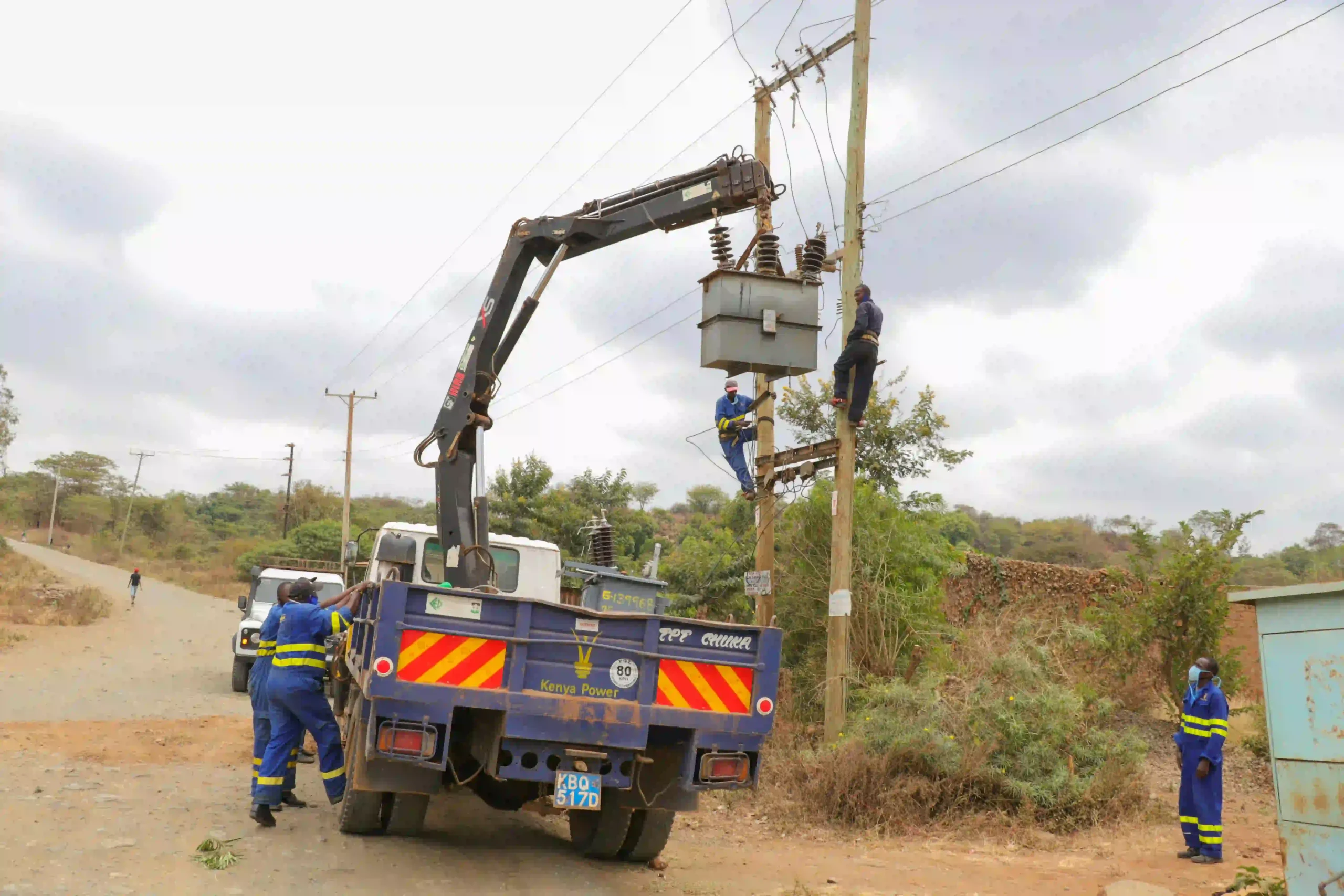
Last Updated on May 13, 2026 3:22 pm by Maxwell Aliang’ana
Photo Taken by : Denis Ngai, Pixel.com
The electricity sector is undergoing a major transformation in Kenya, with the Energy and Petroleum Regulatory Authority (EPRA) implementing new regulations. The new framework completely eliminates the electricity distribution and retail supply monopoly enjoyed by the Kenya Power and Lighting Company. It is a reform that enables major electricity consumers to buy electricity directly from other electricity generators without the need to use the national transmission and distribution system. The transition is from the traditional single-buyer model to a more liberalised and competitive electricity market. The policy is likely to change the pricing, investment trends, competitiveness of industries and the financial health of the power sector. It also creates new tariff, infrastructure management, and access to electricity equity challenges, however.
The End of the Single-Buyer Electricity Model
For many years, Kenya had a single buyer policy where only Kenya Power was a legally mandated buyer of electricity from Independent Power Producers. They involved geothermal plants in Naivasha, wind farms in Turkana and hydroelectric plants across the country. All electricity generated was sold to Kenya Power and the power was distributed throughout the country. This setup meant that Kenya Power could have the ultimate control over the electricity retail pricing and distribution. This model is undergoing a dramatic transformation in accordance with the new EPRA regulations. Now there is a provision for such large consumers to negotiate directly with electricity generators. The consumers are manufacturing companies, industrial parks, universities and large commercial developments. The electricity will still go through the national grid but Kenya Power will no longer be the sole buyer and seller. Rather, it will become a “network operator” that will bill for electricity wheeling. It brings competition to a traditionally monopoly marketplace. It also provides the flexibility to discover the price between the producer and the consumer, which may result in more efficient pricing mechanisms in the long-term.
How Direct Power Purchase Will Work in Practice
The new system is based on open access to the national grid. Electricity generators are able to sell electricity directly to eligible consumers with the reservation that they pay the transmission and distribution charges. The fees are governed by EPRA and are designed to ensure proper utilization of infrastructure. For instance, an Athi River based cement factory could prefer to purchase electricity directly from a geothermal plant in the Rift Valley rather than from Kenya Power at a set tariff. The factory would work out a deal with the generator and pay extra wheeling fees to get electricity from the grid. Kenya Power would still own the distribution network, but would not be responsible for the entire transaction. In Naivasha, for instance, industrial estates have mushroomed thanks to the development of infrastructure and the close connection with geothermal resources. In the new setup, these industrial centres will be able to design their own power purchase plans, without involving the central buyer. This may result in more predictable electricity prices for big industrial plants. The system will operate much like an unregulated electric power market in other countries, where large consumers are able to select from a number of suppliers based on price and reliability.
Impact on Kenya Power’s Business Model
Kenya Power has always depended on money generated from industrial/commercial customers to keep its operations going. These customers use a lot of electricity and consequently make a significant contribution to the revenue. This revenue also funds subsidisation of residential consumers in low income areas. Direct power purchasing is threatening this balance. Kenya Power may lose revenue from the largest and most profitable group of customers, as they switch to independent suppliers. This may impact its ability to operate and maintain infrastructure and services in residential areas. One such industrial area in Nairobi, for instance, is Industrial Area and Baba Dogo which form a considerable portion of Kenya Power’s revenue base. This will create a situation where Kenya Power’s revenue mix becomes very household-centric if these customers switch to buying electricity from independent producers. This may put more strain on the finances of tariffs if the cross subsidisation effect is reduced. There could also be stranded cost issues in Kenya. The company has long-term contracts with power generators for power supplies that commit it to buying electricity whatever the demand is. Even if the number of its customers decreases, it may still have to pay for electricity that it isn’t using, which puts a strain on its finances.
Benefits for Industrial Consumers and the Economy
While Kenya Power faces the challenge, the reform provides a great deal of benefits to the industrial consumers and the larger economy. One of the main benefits is the potential reduction in electricity costs. Large consumers can also negotiate with generators through competitive procurement, which results in improved prices. For instance, a textile factory in Eldoret might enter into a long-term agreement with a geothermal power plant in Rift Valley at a reduced and guaranteed price, than the standard retail price. This may help to lower manufacturing expenses and make Kenyan exports more competitive in world markets. Reducing electricity costs would also be attractive to the foreign direct investment. One of the issues that determines the location of manufacturing plants for investors is energy cost. Competitive electricity cost if Kenya can do it by itself, might make it more attractive to industrial investment. The other advantage is enhanced energy reliability for big consumers. Performance guarantees frequently are a part of private contracts that encourage generators to keep their up time high. This will potentially decrease power outages for industries like manufacturing, agriculture processing, and data centres.
Risks to Residential Consumers and Tariff Stability
The potential benefits to industrial consumers are there but there are issues in relation to residential electricity consumers. In Kenya Power is currently making use of a cross subsidy model whereby electricity is provided to industrial consumers to subsidise the provision of electricity to households. With the withdrawal of large consumers from the Kenya Power system, Kenya Power will likely lose an appreciable amount of its revenue. This may lead to it raising tariffs for domestic customers to meet the additional fixed cost of running and maintaining its operation. Electricity costs can be, therefore, higher for households in urban areas like Nairobi, Thika and Kisumu in the future. There is a concern that liberalization will create an inequity in access to the benefits of liberalisation. Direct power purchase agreements will likely be first accessed by large companies and industrial consumers. SMEs might not be able to reach the consumption criteria to enter the open market. Consequently, they could continue to be stuck paying Kenya Power rates and not the competitive rates. This may exacerbate the cost differential between large and small businesses in the Kenyan economy and hence competitiveness in some sectors.
Infrastructure and Grid Management Challenges
Kenya’s electricity market structure is largely dependent on the robustness and stability of its transmission and distribution network (T&D). The national grid should be able to support more than one individual transaction and not be unstable. The Kenya Power and the Kenya Electricity Transmission Company should ensure that the electric grid will be open access. This implies that every possible generator and consumer can operate in the network in a fair and transparent manner. But the existing grid is already struggling with a myriad of problems, including aging equipment, transmission losses and power outages. Having several uncorrelated power supplies adds to grid management complexity. It needs sophisticated coordination systems to coordinate supply and demand in real time. In particular, congestion can be a problem in the industrial areas that are linked to the transmission nodes on the Nairobi–Nakuru corridor if several large consumers and generators use the same transmission nodes. If no investments are made in grid enhancement and smart monitoring devices, there might be an increased risk of instability.
Investment Climate and Regulatory Confidence
The reform also has far reaching implications for the investment in the Kenyan energy sector. The entry of competition represents a more open and dynamic market on one hand, and on the other hand, it indicates that the market is extremely competitive. This would spur investment in renewable energy initiatives like geothermal, wind and solar energy. Renewable energy potential exists in Kenya already, with significant geothermal resources in Naivasha, and wind resources in Turkana. Competitive marketplace would create a greater potential for private funding in these areas. But a strong sense of regulatory security will be essential. Investors need to understand how the wheeling tariff works, what happens if the contract is not fulfilled, and how they can use the grid. Rapid policy evolution or poor policy transparency might make capital cost to initiate new projects more expensive and riskier.Policy uncertainty or frequent policy shifts may result in higher perceived risk and cost of capital for new projects. For instance, if a solar energy investor isn’t certain about the long-term pricing or access guarantees, he or she might be reluctant to put in a significant amount of capital. This may impede the rate of energy growth with the liberalized market structure.
Long-Term Economic Outlook
In the long-term, liberalization of the Kenyan electricity market will be able to help stimulate economic development and industry growth. A decrease in electricity prices for industries could lead to increased competitiveness of exports and productivity. This is especially true for the sectors like manufacturing, agro-processing and logistics. The changeover is likely to be complicated, however. In many cases it is necessary to consider the temporary disturbance which can arise during the process of market restructuring before a stable position is finally reached. At this stage, Kenya could see changes in the tariff regime, shifts in revenue, and infrastructure challenges. The effectiveness of the reform will be largely contingent on EPRA’s ability to strike the right balance among competition, infrastructure viability and consumer protection. The reform, if well executed, has the potential to make Kenya a leader in the modern electricity market in the region.
Conclusion
The move by EPRA to break the monopoly of Kenya Power is a big change in the electric power sector in Kenya. The move adds competition, will enable direct power purchase by large consumers, and will create new investment and efficiency possibilities. It also calls into question the way that cross-subsidization and centralisation have traditionally worked. The advantages are high for industrial consumers, who could benefit from reduced and more stable electric rates. But there are still threats to the energy system, Kenya Power’s financial health and to the residential consumer. The long term will be determined by regulatory discipline, infrastructure investment and the ability to conduct transitioning of markets without causing disruption to supply or pricing. Kenya is not just about to change the way in which electricity is being sold. It’s essentially changing the way it uses energy.
CBK Licenses 32 New Digital Lenders: What It Means for Borrower
Discover more from Kenya Financial Updates
Subscribe to get the latest posts sent to your email.