Maxwell Aliang'ana
Last Updated on May 18, 2026 11:36 am by Maxwell Aliang’ana
The Mobile Loan Nightmare
The lure of making quick money by using a cell phone app has turned into a nightmare for millions of Kenyans. A loan of KSh 500 for a fare or some minor emergency can turn into a constant hassle, public embarrassment and credit score disaster. From 2016 to 2023, more than 600 unlicensed loan applications were registered in Kenya, some of which practised predatory lending which forced borrowers to fall into cycles of indebtedness and anxiety. Now, the Central Bank of Kenya (CBK) has issued licenses to 227 digital credit organizations, yet perilous apps are still in the wild on the app stores awaiting desperate borrowers. In this article, you will learn how to identify predatory loan apps, how to avoid harassment and how to borrow safely in the digital lending environment in Kenya.
The Scale of the Problem: How Bad Is It?
The Central Bank of Kenya opened a window for the issuance of licenses to digital credit providers, and more than 550 people applied for licenses. Initially licensed only 58 of the 500. The rest were either rejected or found to be operating illegally . Google has recently scrubbed around 500 apps of loans in its Play Store in March 2023 for being illegal. However, many of the applications were simply rebranded and re-appeared under new names. This juxtaposition of unlicensed apps and the licensed ones that continue to aggressively collect is a genuine minefield where borrowers in Kenya are navigating. The ODC has received thousands of complaints concerning the abuse of data, such as lenders accessing borrowers’ contact lists without permission and embarrassing the borrower by messaging friends and family.
Red Flag One: The App Is Not on CBK’s Official List
The first and most crucial step is verification. Prior to downloading any loan app, ensure that it is registered by the Central Bank of Kenya. As of 2026, a total of 227credit providers, excluding deposit-taking banks, are licensed to lend money to Kenyans. Any app not on that official list is running illegally! Unlicensed lenders are not legally entitled to chase debt, make any credit reference bureau report and typically employ the most deplorable harassment techniques. Banks were ordered in 2020 to not allow access to their CRB systems by unlicensed lenders, which implies that any threats to blacklist you are facing from such lenders are hollow. But harassment that can have serious consequences for your mental state and reputation is no joke.
Red Flag Two: The App Demands Access to Your Contacts
This is likely to be the most deadly red flag. A legitimate and licensed lender is not going to need to see your complete phonebook to evaluate your creditworthiness. If an app is asking to access your contacts, call history and text messages, it’s not doing a credit check. They are equipping themselves with weapons to fight you when you’re late with your payments. After you give this permission the app copies your Contact List to its server. The lender will start calling, texting and WhatsApp messaging anyone your call list contains if you miss a payment. They will send a note to your parents; note to your boss, to your church pastor, to your neighbours, saying that you’re a thief who took their money. This is a practice, referred to as ‘digital shaming’ which is banned by the Data Protection Act in Kenya. The Office of the Data Protection Commissioner has issued a fine to lenders such as KeCredit and FairCash (now Azura Credit) of KSh 2.97 million for this very conduct. Avoid granting contact access to a loan app. If it’s an app that will not give up, get rid of it now.
Red Flag Three: The Interest Rates Are Hidden or Astronomical
Predatory loan apps have a sweet spot for confusion. They make luring claims of low daily rates that seem reasonable, but they don’t tell you the annual percentage rate. You could get a loan for KSh 10,000 and pay a “small” fee of KSh 750. But that’s manageable until you remember that the loan comes in chunks of KSh 750 every 30 days and you roll it over, you pay another KSh 750 and another and another. In just six months, you may have paid as much as the loan amount in fees. CBK regulations stipulate that lenders should charge the full interest rate and any fees upfront. Do a loan calculation before taking out a loan. The KSh 1,050 interest charge on a KSh 10,000 loan for 120 days plus the 2.5% service charge is equivalent to paying a KSh 11,050 loan. If the calculation does not come up clearly prior to accepting the loan, don’t accept it.
Red Flag Four: The App Has No Physical Address in Kenya
Many of the scam loan apps are not based in Kenya, but rather in China or other countries, and have no physical office in Kenya itself. They create low cost websites, use fake addresses and use anonymous email addresses. When things go wrong, there’s no one to call, no office to go visit, and there’s no regulator that can be easily reached. The reputable lenders such as Tala, Branch, Zenka and M-Shwari have their physical branches, customer service lines, and also have responsive teams. Just before borrowing, verify the address of the app. When it feels like a sham, or there is no address listed, it’s a certain giveaway that the app isn’t legitimate.
What to Do If You Are Already Trapped
You are not responsible for the harassment of a predatory lender or unlicensed lender and you have legal rights and options if you have already borrowed from a lender that is predatory. But first, it is important to realize that lenders that are not licensed cannot legally collect debt. They do not have standing before court and a CBK guideline in 2020 prohibited them from reporting borrowers to credit reference bureaus. If they say they will blacklist you, they are lying.
Secondly, make a complaint to the Office of the Data Protection Commissioner. The ODPC can investigate lenders that use your number of contacts without permission or lenders that share your personal information with others without your permission. Offenders will be fined up to KSh 5 million or 2% of their annual turnover . This has already happened with several lenders who were fined including KeCredit and FairCash for ‘shaming’ borrowers, for instance, nearly KSh 3 million.
Thirdly, notify the Central Bank of Kenya of the lender. The CBK has a consumer complaints portal, and has powers to act against unauthorised operators even if the lender is not licensed. Fourth, block all of the lender’s phone numbers. Do NOT take up their threats. Last but not least, delete the app right away. If you have given them the contact information, you may want to change your phone number if the harassment persists. Wherever you’re going, no loan is worth your peace of mind.
Breaking the Borrowing Cycle: The Psychology of Debt
In addition to recognising the predatory applications, you should tackle the reasons behind borrowing to begin with. Financial professionals and psychs have been able to identify certain trends of compulsive borrowers. Some people borrow to indulge in their present desires, in order to purchase something that they do not have the money to purchase at this time. Others are always hoping they’ll have enough money next month and that it is okay to borrow now. Many borrow because of the pressure of society and because they want to live a life that they see on social networking websites but cannot afford.
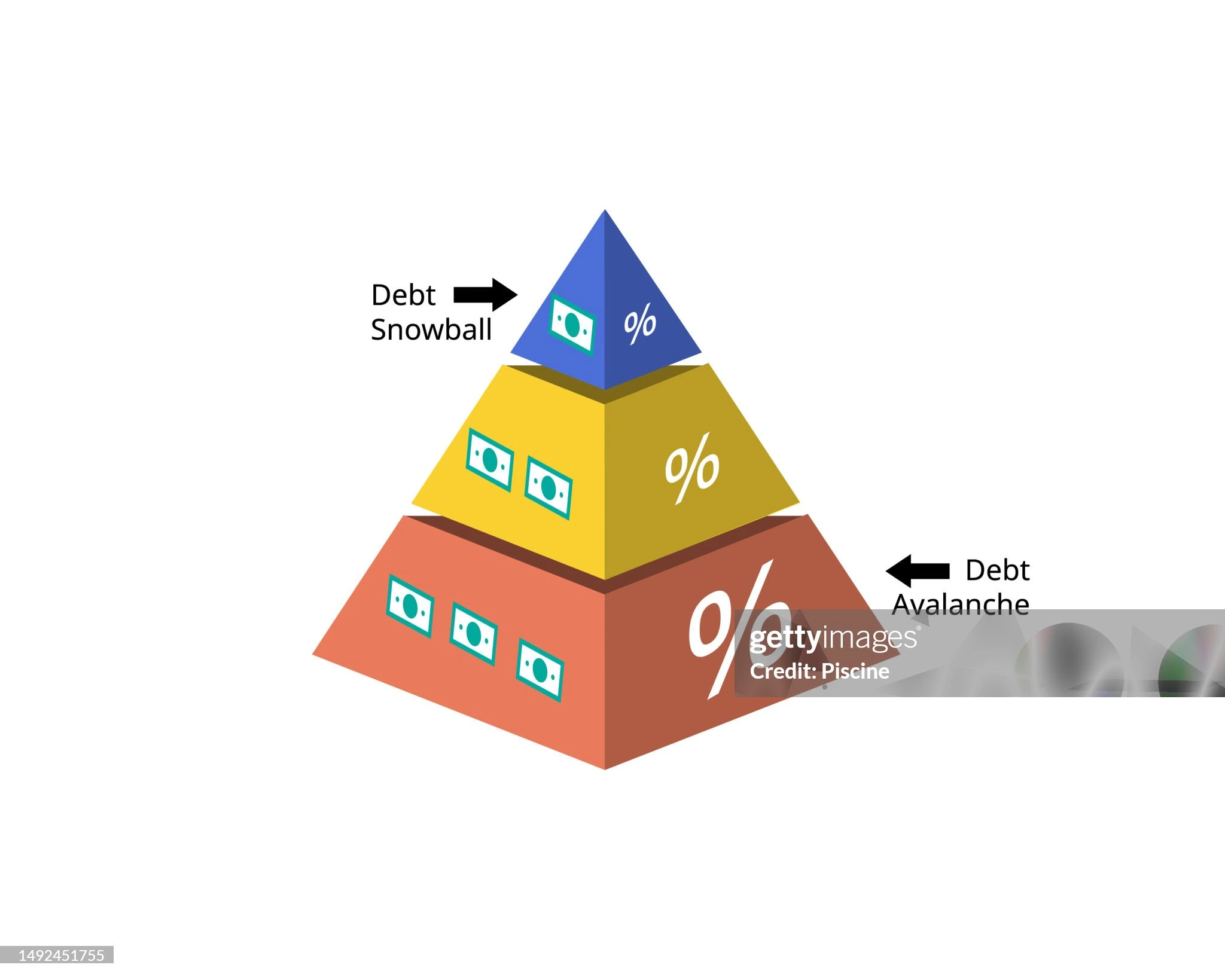
The first step to stopping the cycle is to stop it. Never take out new loans to pay off old loans. There is only one way to get deeper into debt from that route. List all loans you have, interest rate for each loan, and the amount of stress each loan causes you. Next, develop a repayment strategy, paying off debt starting with the debt with the highest interest rate. Make short-term lifestyle changes. Forget to go out a couple of nights. Avoid new clothes. Freedom, not appearances is your objective. ”People want to purchase things so that other people notice, but only you notice what you spend, and you’re in debt,” says financial advisor Jackline Mwangi.
Conclusion: Knowledge Is Your Best Defence
The mobile lending revolution in Kenya has provided a real financial inclusion to millions of people who were previously out of the banking system. However, It has also created an opportunity for predators to prey on desperate individuals. The best means of protection is knowledge. To download any loan app, check the app’s license on the CBK site. Don’t install an app that requests access to contacts. Before taking out a loan, determine the total cost of the loan. Use trusted service providers such as KCB M-Pesa, Branch, Tala, Zenka, M-Shwari and LittlePesa. If you are already in a situation where you have been compromised, you do have legal rights and lenders who are not licensed cannot get a hold of your credit report. The key to financial freedom is to refuse to use predatory apps and to choose to borrow wisely and carefully.
Debt Consolidation Kenya: Is It Worth It? (2026 Guide)
Discover more from Kenya Financial Updates
Subscribe to get the latest posts sent to your email.